

Private Tour to India with a Travel Agency

India is easy to dream about and hard to plan in one sitting. Distances are long, regions feel like different worlds, and the best route is not always the one that looks neat on a map. A private tour solves that problem by giving structure to the trip without taking away the freedom to travel at your own pace.
A good travel agency does more than book cars and hotels. It helps choose the right season, the right order of cities, the right guide for each place, and the right amount of downtime. That matters in India, where one day may bring a sunrise at the Taj Mahal, a slow lunch in Jaipur, a temple visit in Varanasi, or a quiet backwater cruise in Kerala.
A private tour is not only for luxury travellers. It can suit couples, families, solo travellers, senior travellers, photographers, food lovers, and first-time visitors who want a smoother experience. The benefit is simple: the trip is built around the traveller, not the other way around.

Why a private tour makes sense in India
India rewards curiosity, but it also asks for planning. Cities are dense, train routes fill up, monuments have different ticket systems, and road journeys can take longer than expected. A private tour gives the trip a clear shape before arrival.
The biggest advantage is time control. On a fixed group tour, the schedule often moves whether someone is tired, hungry, or fully absorbed in a place. On a private trip, the day can start earlier, pause longer, or skip something that does not fit the mood.
Private travel also helps with comfort. A dedicated car and driver can make a major difference in Rajasthan, North India, Kerala, Tamil Nadu, and central India. Local guides can explain history, customs, and small details that are easy to miss when walking alone.
A private tour is especially useful when the itinerary includes:
Several cities across different states
Domestic flights, trains, and road transfers
Heritage hotels or boutique stays
Wildlife parks and permit-based visits
Older travellers or young children
Special interests such as food, textiles, architecture, yoga, photography, or spiritual sites
The point is not to remove surprise from the journey. It is to remove avoidable stress.
What a travel agency actually does
Many travellers think a travel agency only books hotels and transport. For India, the role can be much broader. The best agencies build the trip in layers, starting with the route and season, then adding experiences, guides, transport, and practical support.
A well-planned private tour usually includes:
A personalised itinerary
Private airport transfers
A car with driver for road sectors
Hotel suggestions by location and comfort level
Licensed guides in key cities
Monument visit planning
Train or domestic flight guidance
Help during the trip if plans change
This support matters because India is not one single travel style. A trip through Delhi, Agra, Jaipur, and Varanasi feels very different from a journey through Kochi, Munnar, Thekkady, and Alleppey. Ladakh has different needs from Goa. Wildlife travel in Madhya Pradesh works differently from a temple route in Tamil Nadu.
When comparing options, look for a travel agency that can explain the “why” behind the itinerary. If a company such as paylesstoursindia offers a tour to India route, ask how it can be adapted to your interests before confirming the final India tour plan.
That conversation often reveals whether the agency is simply selling a package or designing a real journey.
Popular private tour routes in India
India is too large for one “best” itinerary. The right route depends on season, travel pace, interests, and how many days are available. These routes are common starting points because they combine strong highlights with manageable logistics.
The classic Golden Triangle
Delhi, Agra, and Jaipur form India’s most popular first-time route. It works well because the distances are practical, the sights are varied, and the circuit gives a strong introduction to North India.
Delhi brings old monuments, markets, museums, and food. Agra is home to the Taj Mahal, Agra Fort, and nearby Mughal sites. Jaipur adds forts, palaces, crafts, and a distinct Rajasthani character.
A private version of this route is better than a rushed group package because timing matters. The Taj Mahal is best seen early. Jaipur’s forts need unhurried visits. Delhi becomes easier with a guide who knows when to enter crowded areas and when to avoid them.
Rajasthan with more depth
Rajasthan suits travellers who enjoy forts, palaces, desert towns, heritage stays, textiles, and old city lanes. Jaipur, Jodhpur, Udaipur, Jaisalmer, Bikaner, Pushkar, and Ranthambore can be combined in different ways.
A private tour helps because Rajasthan involves long drives. The route should not simply place cities one after another. It should allow rest stops, scenic pauses, and stays of at least two nights in key places.
For many travellers, Udaipur is ideal for slowing down. Jodhpur is strong for architecture and old markets. Jaisalmer works well for desert experiences, but it should be planned with care because of the distance.
Kerala for nature and slower travel
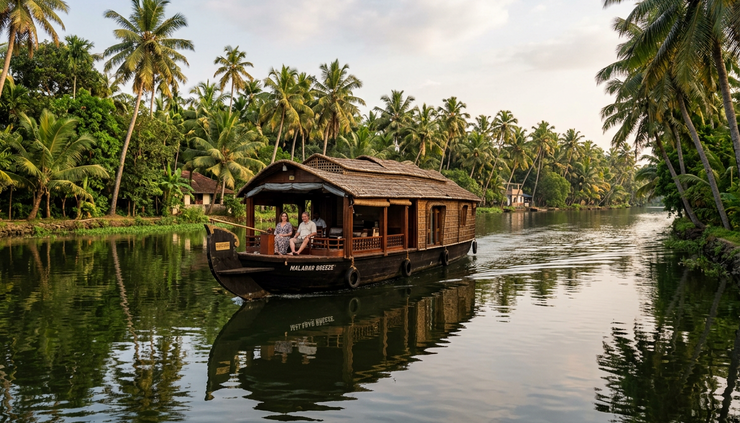
Kerala is a good choice for travellers who want greenery, food, beaches, Ayurveda-inspired stays, tea hills, and backwaters. A common route includes Kochi, Munnar, Thekkady, Alleppey, and Marari or Kovalam.
A private tour in Kerala feels different from a North India journey. The pace is softer. The stays matter more. A travel agency can help choose whether to use a houseboat, a lakeside resort, a homestay, or a beach stay.
This route can work beautifully for a holiday in India or a longer vacation in India, especially for travellers who want culture without moving cities every day.
Varanasi and spiritual North India
Varanasi is unlike most other Indian cities. It is intense, old, spiritual, and deeply atmospheric. A private tour helps here because the best experience depends on timing and guidance.
Morning boat rides, old city walks, evening rituals by the river, and visits to Sarnath all benefit from a guide who understands both history and etiquette. Varanasi can be added to the Golden Triangle or paired with Khajuraho, Lucknow, Prayagraj, or Bodh Gaya.
This route is best for travellers who are comfortable with sensory intensity and open to quiet observation.
Wildlife and nature routes
India has several well-known national parks, including Ranthambore, Bandhavgarh, Kanha, Pench, Kaziranga, Gir, and Periyar. Wildlife trips need careful planning because safari permits, zones, lodge locations, and seasons affect the experience.
A private wildlife tour does not guarantee sightings. No ethical agency should promise a tiger or any specific animal. What it can do is improve the planning: better lodge choices, suitable safari timings, and a route that avoids unnecessary backtracking.
How to choose the right agency
Choosing the agency is as important as choosing the route. A poor agency can turn a good itinerary into a tiring trip. A skilled one can make even a short journey feel smooth and rich.
Start with communication. The agency should ask questions before giving a final price. These questions may include travel dates, arrival city, pace, hotel style, food preferences, walking comfort, and must-see places.
A strong agency will also be honest about trade-offs. For example, it should say when a route is too rushed, when a city needs another night, or when weather may affect the plan. That kind of honesty is worth more than a long list of attractions.
Look for these signs before booking:
Clear itinerary with day-by-day details
Hotel names or hotel categories stated clearly
Transport type explained
Inclusions and exclusions written plainly
Guide arrangements listed city by city
Payment terms and cancellation rules shared upfront
Realistic travel times between places
Support contact during the trip
Be cautious if the plan looks too crowded. India is best enjoyed with breathing room. A day that includes five monuments, two markets, a long drive, and a cultural show may look exciting on paper, but it can feel exhausting.
What to include in a private India itinerary
A good itinerary balances highlights with personal moments. Famous monuments are worth seeing, but they should not fill every hour.
For a richer trip, mix different kinds of experiences:
Major historical sites
Local neighbourhood walks
Food tastings or cooking sessions
Craft workshops
Countryside drives
Nature time
Free evenings
One or two slower stays
If travelling with children, add open spaces, shorter guided visits, and hotels with pools where possible. If travelling with older family members, choose central hotels, avoid too many one-night stays, and plan fewer early starts.
For photographers, the agency should consider light, crowd levels, and movement. For food-focused travellers, it can include safe street food walks, regional meals, spice markets, or family-style dining experiences.
For first-time visitors, a balanced 10 to 14 day route could include Delhi, Agra, Jaipur, and either Varanasi, Udaipur, or Ranthambore. A longer trip can add Kerala, Mumbai, or more of Rajasthan.

Budget and value without guesswork
Private tours vary widely in cost. The final price depends on season, hotel level, number of travellers, transport distance, guide use, domestic flights, and special experiences.
Instead of looking only for the lowest quote, compare value. A cheaper trip may use poorly located hotels, rushed drives, limited guide time, or unclear services. A higher quote may include better support, better rooms, safer routing, and more thoughtful planning.
Ask for clarity on these points:
Cost area | What to check |
Hotels | Exact names, room category, breakfast, taxes |
Transport | Vehicle type, driver allowance, parking, fuel |
Guides | Private guide or shared guide, language, city coverage |
Entry fees | Included or paid directly at monuments |
Flights and trains | Included, suggested, or booked separately |
Meals | Breakfast only, half board, or selected meals |
Support | Local assistance during travel days |
This makes it easier to compare two quotes fairly. If one itinerary includes licensed guides and another does not, they are not the same trip.
Best time to take a private tour in India
India has different travel seasons across regions. Broadly, October to March is comfortable for much of North India, Rajasthan, central India, and many cultural routes. April to June can be hot in the plains, though hill regions may work well. The monsoon months bring rain to many areas, but they can also make places like Kerala and the Western Ghats feel lush and calm.
The Himalayas, Ladakh, wildlife parks, beaches, and southern temple routes each follow different seasonal patterns. A travel agency should guide the timing based on the exact route, not give one fixed answer for the whole country.
Festival travel can be memorable, but it needs early planning. Diwali, Holi, Pushkar, Durga Puja, and regional temple festivals can shape the trip in special ways. They can also affect hotel demand, traffic, and crowd levels.
Practical tips before booking
Before paying a deposit, make sure the trip feels clear and realistic. A private tour works best when expectations are shared early.
Keep these practical points in mind:
Share arrival and departure details as soon as flights are booked.
Tell the agency about mobility needs, dietary rules, and medical considerations.
Ask whether long drives can be broken with stops.
Keep scanned copies of key documents in a secure place.
Carry modest clothing for temples, mosques, gurudwaras, and rural visits.
Leave space for rest during the first two days if arriving after a long flight.
Confirm tipping practices so there is no awkwardness later.
Small details make a big difference. A hotel near the right part of a city can save hours. A guide who understands pacing can make a complex monument come alive. A driver who knows the route well can turn a long transfer into a comfortable travel day.
Travel with respect and ease
Private travel gives comfort, but it also comes with responsibility. India’s cultural differences are part of its richness. Respectful travel makes the experience better for visitors and hosts.
Dress modestly at religious sites. Ask before photographing people. Remove shoes where required. Follow local guidance during rituals and ceremonies. Support local crafts when possible, but avoid pressure buying if something does not feel right.
Food is another area where guidance helps. India has remarkable regional cuisines, but spice levels and hygiene standards vary. A local guide or driver can suggest places that suit both curiosity and comfort.
The best private tours leave travellers with more than photographs. They create context. They help connect the grand sights with everyday life, from a chai stop on a highway to a quiet conversation with a craftsperson.
The real value of a private tour to India
A private tour to India with a travel agency is not about being shielded from the country. It is about having enough support to experience it well. The right agency turns a list of places into a journey that fits your pace, interests, and comfort.
Choose the route carefully. Ask clear questions. Avoid overpacked schedules. Give yourself time to notice small things, the sound of temple bells in the morning, the colour of sandstone at sunset, the smell of fresh parathas, the calm of a houseboat moving through still water.
India is vast, layered, and deeply rewarding. With thoughtful planning and the right travel partner, a private tour can make the first visit feel less confusing and far more memorable.


Comments