

Top Reasons to Visit India for an Unforgettable Travel Experience

India is not a place you simply tick off a list. One journey can take you from snow peaks to palm-lined beaches, from quiet temple courtyards to old cities filled with spice, music, and colour. Few countries offer so many different experiences in one trip, and that is what makes India so memorable.
A first visit might begin with the Taj Mahal, Jaipur’s forts, or Kerala’s backwaters. A second trip may lead to Ladakh, the forests of Madhya Pradesh, or the ghats of Varanasi. Every region has its own food, language, architecture, festivals, and rhythm of life.
Whether you book an India tour, compare tours to India, plan independent India travel, or work with an India tour operator, the country rewards curiosity. Here are the top reasons to visit India for a travel experience that stays with you long after you return home.

India offers astonishing variety in one country
India is vast, and the differences between its regions are part of the adventure. A journey across the country can feel like several holidays in one.
In the north, the Himalayas bring cold desert valleys, pine forests, monasteries, and mountain roads. Himachal Pradesh, Uttarakhand, Sikkim, and Ladakh are ideal for slow travel, trekking, river valleys, and cool weather escapes.
In the west, Rajasthan gives you desert landscapes, old forts, grand palaces, stepwells, and cities built in shades of pink, blue, and gold. Gujarat adds salt flats, craft villages, temples, and wildlife-rich regions.
In the south, the pace changes. Kerala’s backwaters, Tamil Nadu’s temple towns, Karnataka’s heritage sites, and Goa’s beaches create a rich mix of coast, culture, and comfort. The east and north-east bring tea gardens, river islands, forests, living root bridges, and food traditions many travellers are only beginning to discover.
This variety makes India suitable for many travel styles:
Culture trips through Delhi, Agra, Jaipur, Varanasi, and Khajuraho
Nature escapes in Kerala, Sikkim, Coorg, Ladakh, and the Western Ghats
Wildlife holidays in national parks such as Ranthambore, Kanha, Bandhavgarh, and Kaziranga
Beach breaks in Goa, the Andamans, Gokarna, and Kerala
Spiritual journeys in Rishikesh, Bodh Gaya, Amritsar, Madurai, and Varanasi
That range is one of India’s greatest strengths. You can return again and again without repeating the same experience.
The heritage sites are among the finest in the world
India’s history is visible everywhere, not only in museums. It appears in carved temples, Mughal gardens, rock-cut caves, old markets, colonial buildings, royal palaces, mosques, churches, monasteries, and forts that rise above entire cities.
The Taj Mahal is the country’s most famous monument, and for good reason. Its symmetry, marble inlay work, and changing light make it unforgettable. Yet India’s heritage goes far beyond Agra.
Jaipur’s Amber Fort, Jodhpur’s Mehrangarh Fort, and Udaipur’s City Palace show the scale and artistry of Rajasthan’s royal past. Delhi brings layers of history through Qutub Minar, Humayun’s Tomb, Red Fort, India Gate, and the lanes of Old Delhi.
Further south, Hampi feels almost unreal, with temple ruins set among giant boulders. Mahabalipuram displays stone carvings by the sea. Thanjavur’s Brihadeeswarar Temple stands as a masterpiece of Chola architecture. Ajanta and Ellora in Maharashtra reveal extraordinary rock-cut caves, with sculptures and paintings that still inspire awe.
What makes India’s heritage special is that much of it remains part of daily life. Temples still receive worshippers. Old bazaars still trade in spices, textiles, sweets, flowers, and brassware. A visit is not only about seeing the past. It is about watching history continue in the present.
Indian food is reason enough to travel
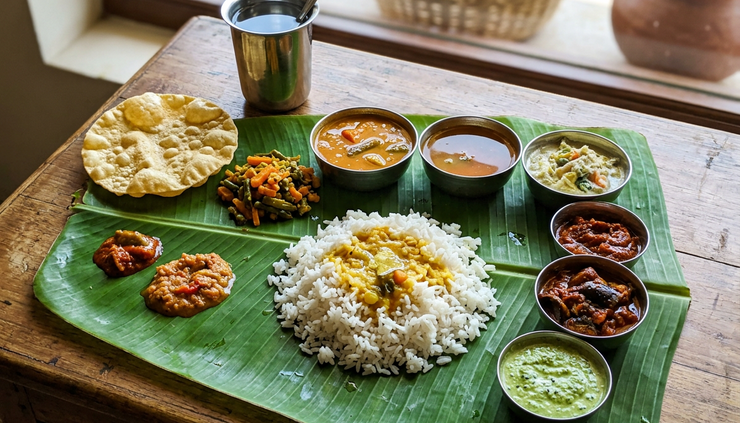
Food in India changes every few hundred kilometres. The ingredients, cooking methods, spice blends, breads, sweets, and mealtime habits shift from one state to another. For many travellers, this becomes one of the strongest memories of the trip.
North India is known for dishes such as butter chicken, dal makhani, kebabs, chole bhature, parathas, and rich curries. Rajasthan adds dal baati churma, gatte ki sabzi, ker sangri, and sweets made for dry desert climates.
In the south, expect dosa, idli, appam, rasam, sambar, coconut-based curries, banana leaf meals, and strong filter coffee. Kerala brings seafood, stew, puttu, and dishes flavoured with curry leaves, pepper, and coconut. Tamil Nadu and Andhra Pradesh offer bold spice, rice-based meals, and deeply regional flavours.
Western India brings Gujarati thalis, Goan fish curry, pav bhaji, vada pav, dhokla, and coastal cooking. Bengal is known for fish, mustard, sweets, and rice-based comfort food. The north-east adds fermented flavours, bamboo shoot, smoked meats, fresh herbs, and simple but powerful local dishes.
Street food deserves its own mention. Try pani puri, kachori, jalebi, momos, kulfi, chaat, and fresh sugarcane juice from trusted, busy vendors. Choose places where food moves quickly and is cooked in front of you.
A holiday in India often becomes a food journey without any special planning. Breakfast, railway snacks, tea stops, homestay meals, and festival sweets all become part of the story.
Festivals turn travel into celebration
India’s festival calendar is full throughout the year. Each celebration has its own meaning, rituals, food, music, clothing, and local customs. For travellers, festivals offer a chance to see communities at their most expressive.
Diwali brings lamps, sweets, family gatherings, and decorated homes. Holi fills parts of the country with colour, music, and playful energy. Durga Puja transforms Kolkata and other cities with artistic pandals, processions, and cultural events. Eid brings special meals and community gatherings. Christmas lights up churches and markets in Goa, Kerala, Mumbai, Shillong, and other places.
Regional festivals add even more depth. Onam in Kerala includes floral designs, boat races, feasts, and cultural performances. Pongal in Tamil Nadu celebrates harvest traditions. Bihu in Assam brings dance, music, and food. Pushkar Fair in Rajasthan combines livestock trading, folk performances, pilgrimage, and desert scenes.
The key is to travel respectfully. Ask before photographing people, dress appropriately at religious sites, and follow local guidance in crowded areas. A festival can be joyful and intense at the same time, so patience helps.
The natural beauty is incredibly diverse
India’s natural settings are as memorable as its cities and monuments. The country has mountains, deserts, forests, wetlands, islands, rivers, valleys, tea gardens, mangroves, and long coastlines.
The Himalayas offer some of the best mountain journeys in Asia. Ladakh’s high-altitude valleys, Spiti’s stark terrain, Sikkim’s monasteries and mountain views, and Uttarakhand’s pilgrimage trails each offer a different way to experience the mountains. Treks range from gentle day walks to demanding routes for experienced hikers.
Kerala’s backwaters create a completely different mood. Canoes, houseboats, paddy fields, coconut palms, and waterside villages make the region ideal for slow travel. The Western Ghats, which run along the western side of India, are rich in forests, plantations, waterfalls, and wildlife.
Rajasthan’s Thar Desert is best experienced at sunrise or sunset, when the heat softens and the dunes take on warm tones. In the east, the Sundarbans form one of the world’s largest mangrove regions. The Andaman and Nicobar Islands offer clear water, beaches, forests, and marine life.
India is also a strong wildlife destination. Tiger reserves such as Ranthambore, Bandhavgarh, Kanha, Pench, and Tadoba attract wildlife lovers. Kaziranga is known for the one-horned rhinoceros. Periyar, Gir, and Jim Corbett each offer a different forest experience.

Spiritual and wellness traditions run deep
India has long attracted seekers, pilgrims, yoga students, and travellers looking for reflection. Spiritual life here is not limited to one place or one tradition. It takes many forms across Hinduism, Buddhism, Sikhism, Jainism, Islam, Christianity, and other faiths.
Varanasi is one of the world’s oldest living cities and one of India’s most powerful travel experiences. The ghats along the Ganga are places of prayer, ritual, music, mourning, learning, and daily routine. Sunrise boat rides and evening aarti ceremonies leave a deep impression when approached with respect.
Rishikesh is known for yoga, meditation, ashrams, and its setting along the Ganga at the foothills of the Himalayas. Bodh Gaya draws Buddhist pilgrims from around the world. Amritsar’s Golden Temple welcomes visitors into a calm, generous space where the community kitchen serves free meals to thousands.
South India is rich in temple culture. Madurai, Rameswaram, Thanjavur, Chidambaram, and Kanchipuram show the scale, devotion, and artistry of temple towns.
Wellness travel is also a major draw. Ayurveda retreats in Kerala, yoga schools in Rishikesh and Mysuru, meditation centres, and nature-based retreats offer structured ways to pause and reset. Choose reputable centres, check credentials, and treat wellness practices as supportive experiences rather than quick fixes.
Indian hospitality makes the journey warmer
Many visitors remember India not only for what they saw, but for the people they met. Warmth, curiosity, and generosity often shape the journey.
A family-run homestay in the mountains may include home-cooked food and stories about local life. A shopkeeper might explain the difference between textiles without rushing the sale. A guide at a monument may bring history alive through small details. A train conversation can become a memory in itself.
This hospitality appears in simple moments: a cup of chai, directions from a stranger, help with a local bus, or a meal shared during a festival. These experiences can give travel in India a human depth that polished itineraries sometimes miss.
That said, India can also feel intense, especially for first-time visitors. Crowds, traffic, negotiation, and sensory overload are part of many urban experiences. A little preparation helps. Build rest time into the itinerary, choose reliable transport, and avoid packing too many cities into one week.
India suits every budget and travel style
India can be simple, luxurious, adventurous, slow, spiritual, family-friendly, or highly curated. That flexibility makes it appealing to many kinds of travellers.
Budget travellers can use trains, guesthouses, local buses, street food, and affordable cafés. Mid-range travellers will find boutique hotels, heritage stays, private transfers, guided city walks, and comfortable domestic flights. Luxury travellers can choose palace hotels, wildlife lodges, private villa stays, river cruises, luxury trains, and wellness resorts.
India is also good for themed itineraries. A trip can focus on:
Architecture and history
Textiles, crafts, and shopping
Wildlife and photography
Yoga and wellness
Food and cooking classes
Pilgrimage and spiritual sites
Beaches and slow travel
Trekking and adventure
For first-timers, the Golden Triangle of Delhi, Agra, and Jaipur is a classic introduction. With more time, add Varanasi, Udaipur, Kerala, Goa, or a national park. Travellers who have already seen the highlights can look towards Odisha, Madhya Pradesh, Gujarat, the north-east, or the Himalayan regions.
Every season offers a different reason to go
India’s best travel season depends on where you want to go. The country’s size means there is nearly always a good region to visit.
October to March is the most popular period for many routes, especially Rajasthan, Delhi, Agra, Varanasi, Kerala, Goa, and central India. The weather is generally cooler and better suited to sightseeing.
April to June can be hot in the plains, but it is a good time for Himalayan destinations, hill stations, and some wildlife trips. This is also when many national parks offer strong chances of animal sightings, as wildlife gathers near water sources.
The monsoon, from June to September in much of the country, changes the mood completely. Kerala, the Western Ghats, Goa, Coorg, and parts of the north-east turn lush and green. Travel can be slower due to rain, but the scenery can be beautiful. Ladakh and parts of the trans-Himalayan region are also popular in these months because road access improves.
Planning around the season can make a huge difference. India is not a one-weather destination. Match the route to the month, and the trip becomes far more comfortable.

Practical tips for a smoother first visit
India rewards open-minded travel, but planning makes the experience easier. A few simple choices can improve the whole trip.
Keep the first itinerary realistic. India looks manageable on a map until travel times, traffic, and local conditions enter the picture. Spend more time in fewer places rather than rushing through too many cities.
Book key transport in advance during busy seasons and festivals. Trains can sell out, and popular hotels often fill quickly in peak months. Domestic flights save time on long routes, but leave enough buffer between connections.
Dress with comfort and local context in mind. Light cotton clothing works well in warm areas, while modest outfits are useful for temples, mosques, gurudwaras, and smaller towns. Carry a scarf or stole for religious sites.
Stay aware with food and water. Drink sealed bottled water or purified water from trusted places. Eat freshly cooked food, choose busy stalls, and ease into spice levels if needed.
Most of all, leave space for surprise. Some of India’s best moments happen between the planned stops: a roadside chai break, a local market, a sunset from a fort wall, or a conversation on a train platform.
The real reason to visit India
India is unforgettable because it refuses to be reduced to one idea. It is ancient and modern, calm and intense, simple and grand, deeply traditional and constantly changing. One day might be spent in a palace, the next on a village road, a forest trail, a riverbank, or a beach.
The best way to experience India is with curiosity, patience, and time. Choose a route that fits the season, travel at a humane pace, and let each region speak for itself. The reward is not just a beautiful trip, but a collection of moments that feel alive years later.


Comments